Are you preparing for a 12 panel drug screen test in 2025? If so, you are among millions facing this important step for work, legal, or personal reasons. The process can seem overwhelming, but understanding what to expect can ease your concerns.
This guide will break down the purpose and process of the 12 panel drug screen test. You will learn which substances are detected, who typically requires testing, detection windows, and practical tips for preparation.
Gain clarity on result interpretation and stay informed about new testing trends for 2025. Use this guide to approach your next drug screen with confidence and peace of mind.
Understanding the 12 Panel Drug Screen Test
What is a 12 Panel Drug Screen?
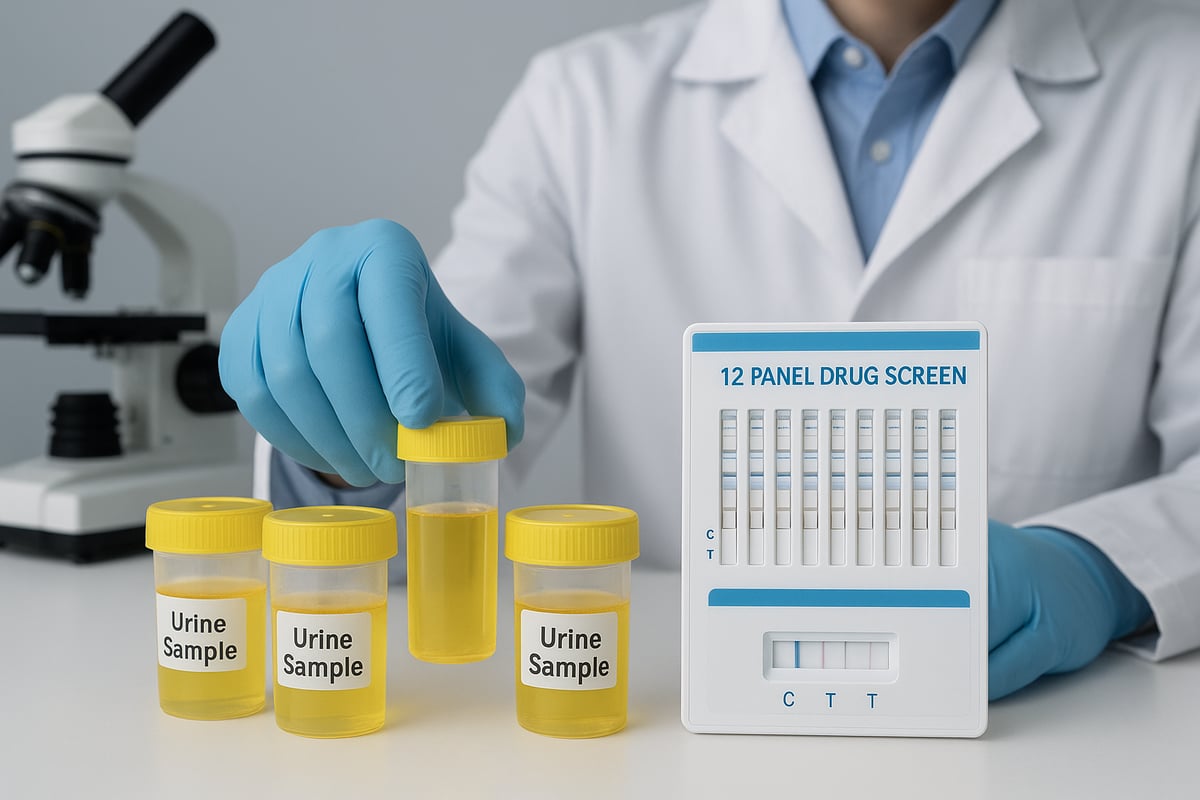
A 12 panel drug screen test is a comprehensive screening tool designed to detect the presence of multiple drug classes within a single biological sample, most commonly urine. Unlike the more basic 5-panel or 7-panel tests, the 12 panel version covers a broader spectrum of substances, making it a preferred choice for employers and legal authorities seeking thorough results.
This test may also use saliva, hair, or blood as alternatives to urine, depending on requirements. Administration settings include the workplace, legal or probation offices, medical facilities, and walk-in clinics. For example, employers in safety-sensitive industries often choose the 12 panel drug screen test to meet strict compliance standards. For those comparing panels, this 5 panel vs 12 panel drug tests guide provides a detailed breakdown of differences.
Substances Detected in a 12 Panel Test
The 12 panel drug screen test identifies a range of drugs, each selected for their potential impact on safety and health. Typically, it screens for:
- Marijuana (THC)
- Cocaine
- Opiates (e.g., morphine, codeine)
- Amphetamines
- Methamphetamine
- Benzodiazepines
- Barbiturates
- Methadone
- Propoxyphene
- Phencyclidine (PCP)
- Ecstasy (MDMA)
- Oxycodone or Fentanyl (varies by provider)
Including both prescription and illicit drugs ensures the 12 panel drug screen test captures misuse as well as unauthorized use. For example, fentanyl’s addition reflects rising overdose concerns in recent years.
Who Requires a 12 Panel Drug Screen?
The 12 panel drug screen test is commonly required by a variety of organizations and situations. Employers, especially those regulated by the Department of Transportation (DOT), healthcare providers, transportation, and construction companies often utilize this test to ensure workplace safety.
Courts and legal systems mandate the 12 panel drug screen test for probation, child custody cases, and DUI monitoring. Rehabilitation centers, athletic organizations, and some schools also rely on it to monitor substance use. Individuals may even request the test for personal reasons. For instance, DOT regulations now require expanded panel testing for commercial drivers.
How the Test Works: Process Overview
The process for a 12 panel drug screen test is straightforward. It begins with registration and consent, followed by sample collection in a controlled environment. Chain of custody protocols ensure the integrity of each sample, with labeling and secure transport to the laboratory.
Rapid or instant testing provides preliminary results within minutes, while lab-based testing offers confirmation in one to three days. Security and privacy remain top priorities throughout. Walk-in testing centers now offer same-day service, making the 12 panel drug screen test accessible and efficient for both employers and individuals.
Detection Windows and Accuracy in 2025
Understanding how long drugs remain detectable and how accurate the process is can help you prepare for a 12 panel drug screen test. Detection windows vary by substance, personal factors, and testing technology. In 2025, improvements in screening methods continue to shape how results are interpreted and trusted.
Detection Times for Each Drug
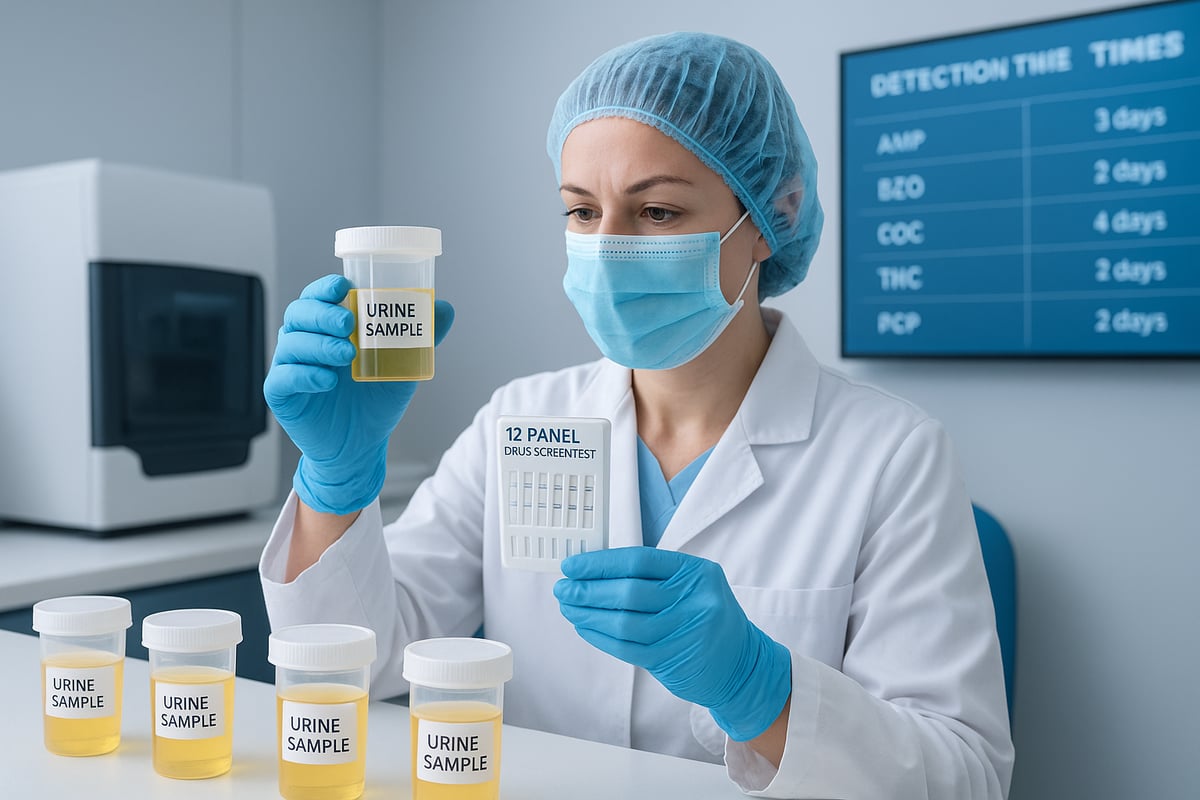
Substances in a 12 panel drug screen test have different detection periods, often depending on usage patterns and metabolism. For example, THC can be detected in urine for 3 to 30 days, while cocaine usually appears for 2 to 4 days. Other drugs, such as benzodiazepines, range from 2 to 30 days based on the specific medication.
A concise reference table:
| Drug | Detection Window (urine) |
|---|---|
| THC | 3–30 days |
| Cocaine | 2–4 days |
| Opiates | 1–5 days |
| Amphetamines | 2–4 days |
| Benzodiazepines | 2–30 days |
| Barbiturates | 2–14 days |
| Methadone | 2–7 days |
| PCP | 3–7 days |
Factors like frequency of use and metabolism matter, so chronic marijuana users may test positive for up to 30 days. For more details on detection periods, see this detection windows for substances in 12-panel urine drug tests resource.
Factors That Influence Test Results
The accuracy of a 12 panel drug screen test can be influenced by several personal and external variables. Hydration levels may dilute urine, potentially lowering drug concentrations. Prescription medications, such as certain antibiotics or cold remedies, can cross-react and sometimes yield false positives.
Metabolic rate, body weight, and age play a role in how quickly substances are processed and eliminated. Existing health conditions involving the liver or kidneys can also affect results. For example, a person taking antibiotics might see a false positive, underscoring the importance of disclosing all medications before testing.
Test Accuracy and Limitations
Modern 12 panel drug screen test procedures are highly sensitive and specific, reducing the risk of errors. However, rapid screens may occasionally produce false positives or negatives. To address this, any non-negative result is typically sent for confirmatory testing using advanced methods like GC/MS or LC/MS.
This two-step process helps ensure that results are reliable and legally defensible. For instance, if a rapid screen detects amphetamines, confirmatory testing can distinguish between illicit use and a legitimate prescription for ADHD medication, adding another layer of accuracy.
Advances in Drug Screening for 2025
The landscape for the 12 panel drug screen test is evolving rapidly. Newer panels now include synthetic opioids and designer drugs to address emerging abuse trends. Technological advances have led to lower cutoff levels and faster turnaround times, making results more precise and timely.
Integration with digital health records is streamlining compliance monitoring for employers and legal systems. Some providers have expanded their panels to detect fentanyl analogs or kratom, reflecting the latest threats. These innovations mean testing in 2025 is more adaptable and comprehensive than ever before.
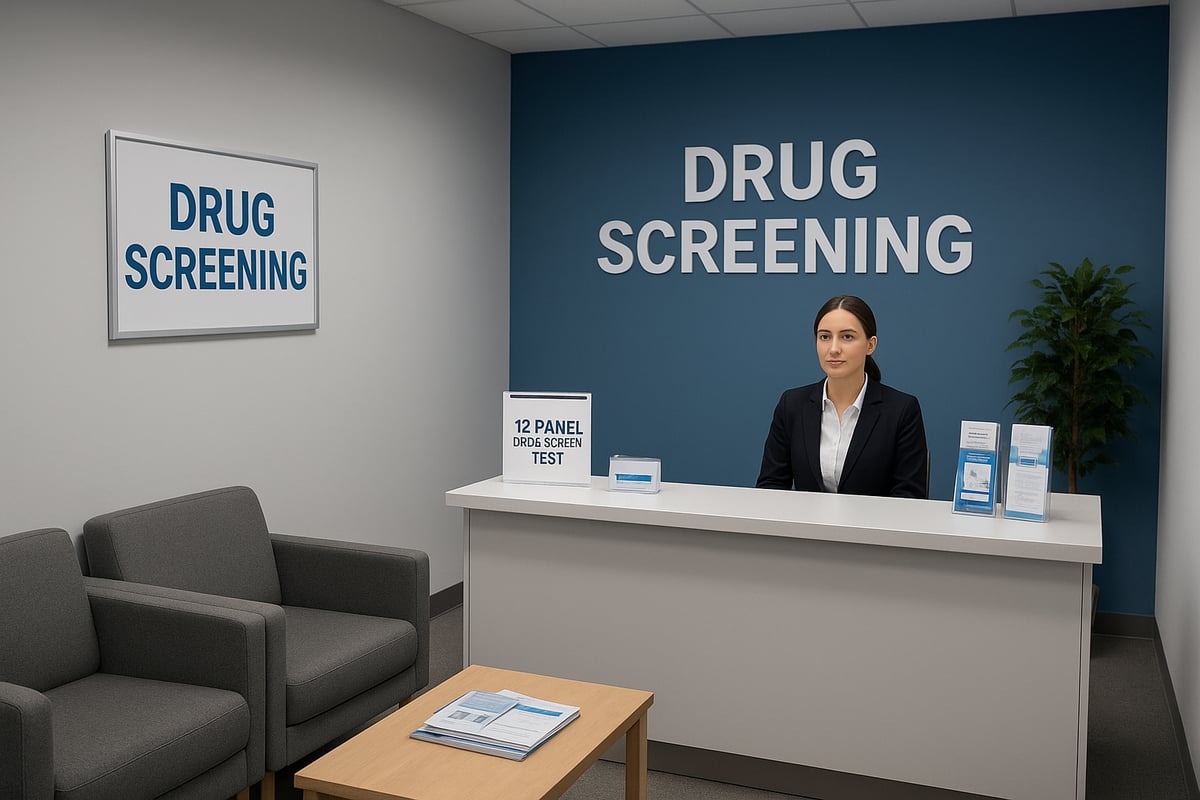
Step-by-Step: What to Expect During Your 12 Panel Drug Screen
Navigating a 12 panel drug screen test can seem daunting if you have never experienced one before. Understanding each step helps reduce anxiety and ensures you are prepared. Whether your test is for employment, legal, or personal reasons, knowing what to expect at every stage of the 12 panel drug screen test process will help you move forward with confidence.
Before the Test: Preparation Tips
Proper preparation is key to a smooth 12 panel drug screen test experience. Start by confirming your test appointment and double-checking which documents you need to bring. Most testing centers require a government-issued photo ID and a list of any current prescription or over-the-counter medications.
Avoid consuming large amounts of water or diuretics, as excessive dilution can invalidate your test. Do not try to mask or alter your sample—it is both detectable and against policy. Eat a normal meal and avoid poppy seeds or herbal supplements that could interfere with results.
If you have questions about where to schedule your 12 panel drug screen test or need to review state-specific requirements, consult drug testing services by state for guidance and location options. Being honest about your medications helps prevent confusion during result interpretation.
During the Test: Collection Process
When you arrive at the testing site, you will check in and present your identification. The 12 panel drug screen test is usually conducted in a private restroom to ensure privacy, although some situations may require direct observation for regulatory compliance.
A staff member will explain the process and provide a sample collection cup. Chain of custody procedures are followed strictly, with labeling and documentation to guarantee your sample is handled correctly. This reduces the risk of tampering or mix-ups.
Rapid tests may deliver preliminary results within minutes, but most 12 panel drug screen test samples are sent to a certified laboratory for comprehensive analysis. The environment is professional and secure, designed to protect your privacy and the integrity of your results.
After the Test: Result Processing
Once your sample is collected, rapid screen results may be available the same day, while lab-based results generally take one to three business days. The testing center or your employer will inform you how and when you will receive your 12 panel drug screen test results.
Results are typically sent to the requesting party, such as an employer, court, or medical provider. In the case of a positive result, a Medical Review Officer (MRO) may contact you for additional information or documentation regarding prescription medications.
Transparency and communication are essential at this stage. If you are unsure where your sample was processed or need additional support, reach out to the testing center or review your paperwork for contact details.
What Happens if You Test Positive?
If your 12 panel drug screen test yields a positive result, do not panic. The initial positive is considered presumptive and will trigger confirmatory testing using advanced methods like GC/MS or LC/MS. You will have an opportunity to explain any legitimate prescription drug use that could have caused the result.
A Medical Review Officer will review your case, verifying prescriptions and ensuring all regulations are followed before reporting the final outcome. Employers or courts may have specific procedures, such as return-to-duty processes or the chance to contest the findings.
Being proactive and honest about all medications during your 12 panel drug screen test can help prevent misunderstandings and unnecessary complications.
Privacy and Your Rights
Your privacy is protected throughout the 12 panel drug screen test process. Federal and state laws, such as HIPAA, restrict who can access your results. Only authorized parties—like your employer, court, or medical provider—will receive your information, and you must sign consent forms prior to testing.
You have the right to ask questions about your results, contest findings, and access your own records. If you believe your rights have been violated, you can request a review or appeal through the appropriate channels. Understanding these protections ensures your test experience remains confidential and fair.
Interpreting and Understanding Your Results
Understanding your 12 panel drug screen test results is crucial for making informed decisions. Whether you are testing for employment, legal, or personal reasons, knowing what each outcome means and the steps that follow can help you respond confidently.
Negative, Positive, and Inconclusive Results
The outcome of your 12 panel drug screen test will typically be classified as negative, positive, or inconclusive. A negative result means no drugs were detected above the established cutoff levels. This is the most common scenario and usually requires no further action.
A presumptive positive result indicates that one or more substances were initially detected. However, these findings require confirmatory testing before a final determination is made. Inconclusive or invalid results can occur for several reasons, such as diluted or adulterated samples, technical errors, or improper collection. In these cases, retesting is generally necessary to obtain a valid result.
| Result Type | Meaning | Next Steps |
|---|---|---|
| Negative | No drugs detected above cutoff | Cleared |
| Positive | Drugs detected, needs confirmation | Further review |
| Inconclusive | Test could not be validated | Retest recommended |
Being aware of these categories helps you understand the next steps after your 12 panel drug screen test.
Medical Review and Confirmatory Testing
If your 12 panel drug screen test yields a positive result, a Medical Review Officer (MRO) will review your case. The MRO is a licensed physician trained to interpret drug screen findings. They may contact you to verify any prescription or over-the-counter medications that could explain the result.
Confirmatory testing, such as Gas Chromatography/Mass Spectrometry (GC/MS), is performed on the original sample to rule out false positives. This secondary analysis is highly accurate, minimizing the chance of error. New technologies and industry trends, as detailed in Advancements in drug screening technology and market trends, are further improving reliability and turnaround times.
Always provide documentation for any prescribed medications. Accurate communication with the MRO ensures your 12 panel drug screen test results are correctly interpreted.
Implications for Employment, Legal, and Medical Settings
Your 12 panel drug screen test results can have significant implications depending on the context. In employment settings, a negative result may lead to a job offer or reinstatement, while a confirmed positive could result in disqualification, suspension, or mandatory treatment programs.
In legal situations, such as probation or child custody cases, positive results may affect court decisions and compliance requirements. Medical providers may use test results to adjust treatment plans or ensure patient safety.
Each organization or agency will have its own policies for handling test outcomes. Understanding the potential consequences of your 12 panel drug screen test result helps you navigate these processes with clarity and preparedness.
Dealing with False Positives and Disputes
False positives on a 12 panel drug screen test can result from certain foods, supplements, or medications. Common examples include some antibiotics, cold medicines, or poppy seed consumption. If you believe your result is a false positive, promptly notify the MRO and provide documentation, such as prescriptions or medical records.
To dispute a result, follow the procedures outlined by the testing provider or employer. This may involve submitting additional proof or requesting a retest. Keeping thorough records and clear communication can help resolve disputes efficiently and protect your rights during the 12 panel drug screen test process.
Trends, Regulations, and Innovations for 2025
The landscape for the 12 panel drug screen test is rapidly evolving as we approach 2025. Regulatory updates, technological breakthroughs, and workplace trends are shaping how these tests are administered and interpreted. Staying informed on these developments is essential for both employers and individuals.
Changes in Drug Testing Laws and Regulations
Drug testing regulations are shifting in response to new substances and evolving societal attitudes. Federal agencies and many states are updating policies to keep pace with legalized cannabis and the rise of synthetic drugs. For instance, certain states now require employers to reevaluate their testing policies when marijuana is legal for recreational or medical use.
The Department of Transportation continues to enforce strict standards, often mandating a 12 panel drug screen test for commercial drivers and safety-sensitive positions. Employers must remain compliant with changing DOT drug testing requirements, which may soon include additional substances or lower detection thresholds.
Regulatory adjustments affect how and when tests are conducted, making it critical to review local and federal guidelines regularly.
Technology and Testing Method Advancements
Innovative technologies are transforming the 12 panel drug screen test process. Laboratories are adopting more sensitive assays that can detect lower concentrations of substances, improving accuracy and reducing the risk of false results. Oral fluid and hair testing are gaining popularity for their longer detection windows and easier sample collection.
Artificial intelligence and digital reporting systems are streamlining the analysis and documentation process. As AI-driven drug discovery accelerates, expect even more precise and efficient drug screening tools. At-home and remote sample collection options are expanding, offering greater convenience for individuals and employers.
These advancements make the 12 panel drug screen test more accessible, secure, and reliable than ever before.
Workplace and Industry-Specific Testing in 2025
In 2025, more industries are adopting comprehensive drug screening protocols. The 12 panel drug screen test is now common in transportation, healthcare, education, and construction, where safety and compliance are top priorities. Employers are customizing panels to address specific risks, such as including synthetic opioids for construction sites or expanding testing after workplace incidents.
Testing protocols vary by setting:
- Pre-employment: Ensures candidates meet safety standards.
- Random testing: Deters substance use on the job.
- Post-accident: Investigates possible impairment.
Industry regulations frequently dictate which substances must be screened, and the 12 panel drug screen test remains the gold standard for broad detection.
Accredited Drug Testing: Nationwide Drug Screen Solutions
For those seeking a reliable 12 panel drug screen test provider, Accredited Drug Testing stands out. With over 20,000 locations nationwide, they offer both DOT and non-DOT testing, including rapid and lab-based options to meet 2025 compliance standards.
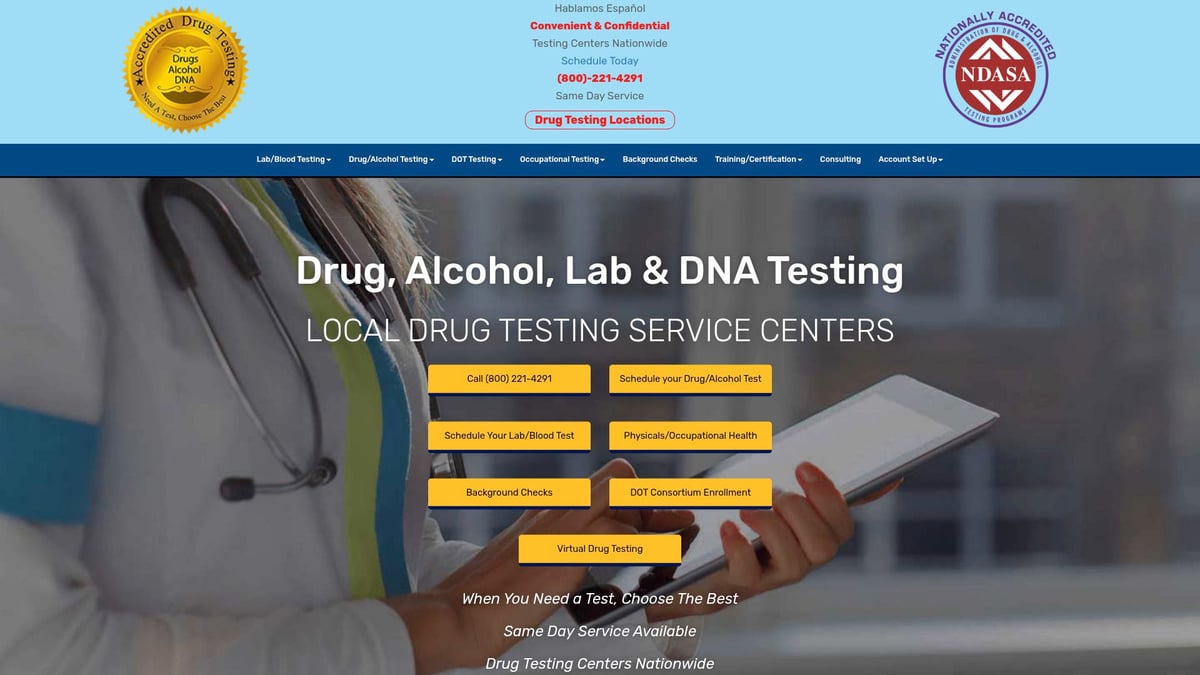
Their services support employers, individuals, and legal professionals with:
- Online scheduling for convenience
- Same-day testing availability
- Confidential, secure results
Certified staff and Medical Review Officer oversight ensure accuracy, while bilingual support enhances accessibility. Accredited Drug Testing also helps companies enroll in DOT consortiums, simplifying workplace testing management for the modern era.
Frequently Asked Questions About 12 Panel Drug Screen Tests
Facing a 12 panel drug screen test can bring up many questions, especially if it is your first time or you have unique circumstances. Below, we address the most common concerns, practical preparation tips, and where to find help if you need it.
Common Concerns and Misconceptions
Many people worry about what could cause a positive result on a 12 panel drug screen test. Foods like poppy seeds, vitamins, and common supplements rarely lead to a positive with modern testing standards. Over-the-counter medications, such as certain cold remedies, can sometimes cause false positives, but laboratories usually confirm results with advanced testing.
Is a doctor’s order necessary? For employment or legal testing, you typically do not need one, but personal tests may require it depending on the provider. Refusing a 12 panel drug screen test can have consequences, including job loss or legal penalties.
- Poppy seeds rarely trigger positives due to updated cutoff levels.
- Most prescription drugs will only affect results if not disclosed.
- Always inform the collector about any medications you take.
Preparing for Specific Situations
If you are pregnant, have chronic health conditions, or are taking medications, you may wonder how to prepare for a 12 panel drug screen test. It is important to disclose all prescription and over-the-counter medicines before testing. For minors or individuals under court order, a legal guardian may need to be present during the process.
Emergency or post-accident testing can occur at any time. If you are tested in these situations, bring any documentation about your medical history and current medications. This helps prevent misunderstandings and ensures accurate interpretation of your 12 panel drug screen test results.
- Pregnant individuals should consult their doctor before testing.
- Minors require guardian consent.
- Bring a list of current medications to every appointment.
Getting Help and Support
If you have questions about your 12 panel drug screen test results, reach out to the testing facility or the Medical Review Officer (MRO) who reviewed your case. For those seeking support with substance misuse or addiction, many organizations offer confidential counseling and resources.
You may also need help appealing or retesting if you believe your results are inaccurate. Prepare documentation to support your case, such as prescriptions or medical records. As drug testing technologies evolve, especially with initiatives like the FDA to phase out animal testing in drug development, expect even more reliable and humane screening methods in the near future.
- Contact your MRO for result clarifications.
- Seek referrals to substance abuse counselors if needed.
- Gather documents for appeals or retesting requests.
Now that you have a clear understanding of what to expect from a 12 panel drug screen test in 2025, you’re well prepared for your next step—whether you’re an employer managing compliance, an individual preparing for a test, or someone navigating legal requirements. Reliable, confidential testing and expert support make a real difference when accuracy and timeliness matter most. If you’re ready to move forward with confidence, you can easily schedule your comprehensive 12 panel drug screen with trusted professionals. Take the next step toward peace of mind—Order Now.